
Browse The Directory
Peptides are short chains of amino acids that act as signals telling your body's cells what to do. Help improve the information, .
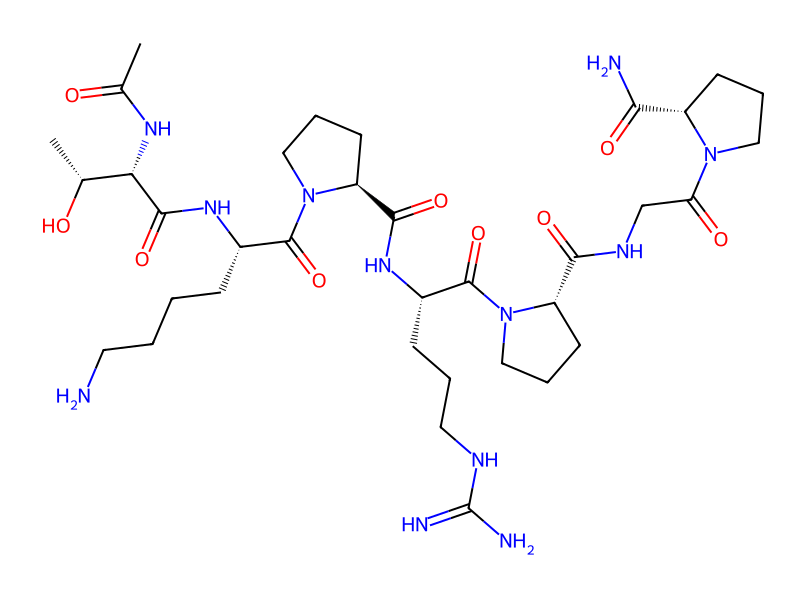
Adalank
Modified heptapeptide (enhanced tuftsin analog)
Adalank is marketed as N-Acetyl Selank Amidate, a modified Selank derivative. The reviewed source set did not identify indexed papers directly studying Adalank by name, so most claims around the compound are extrapolated from parent-compound Selank plus general peptide-chemistry assumptions.
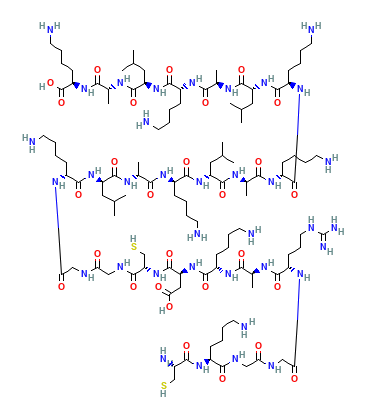
Adipotide (Prohibitin‑TP01)
Experimental Anti‑Obesity
Adipotide (Prohibitin-TP01) is an experimental adipose-vasculature-targeting peptidomimetic built from the white-fat homing motif CKGGRAKDC linked to the pro-apoptotic cargo D(KLAKLAK)2. The strongest direct evidence is still animal research, and the main practical caution from the monkey study is dose-related reversible renal proximal-tubule toxicity.
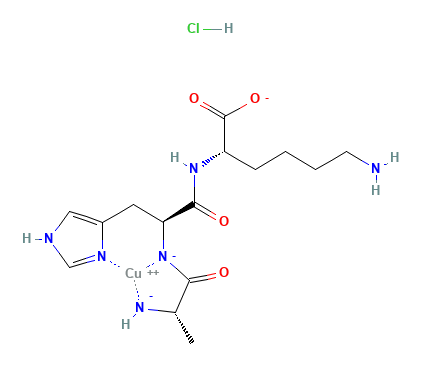
AHK-Cu (Copper Tripeptide-3)
Copper tripeptide complex
AHK-Cu is the copper complex of the tripeptide Ala-His-Lys. The reviewed source set supports a real compound identity in PubChem and one main indexed hair-follicle paper, but it does not support broad claims that AHK-Cu has a well-established human hair-loss, anti-aging, wound-healing, or injectable aesthetic-use program.
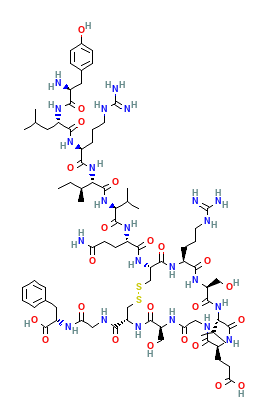
AOD-9604
Modified hGH C-terminal fragment
AOD-9604 is a modified 17-amino-acid analogue of the C-terminal region of human growth hormone. Reviewed sources support older obesity-development literature plus in vitro and animal work on lipolysis and antilipogenic signaling, but no FDA-approved therapeutic product was identified and rabbit osteoarthritis data remain preclinical only.
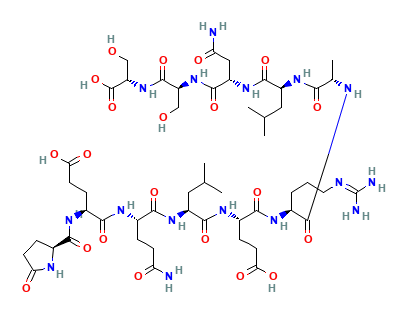
Cibinetide (ARA 290)
Innate Repair Receptor Agonist
Cibinetide (ARA-290) is a synthetic nonerythropoietic peptide engineered from the helix-B surface of erythropoietin. Reviewed sources support published human studies in sarcoidosis-associated small fiber loss, type 2 diabetes with neuropathic symptoms, and diabetic macular edema, but no FDA-approved product or validated consumer-use protocol was identified.
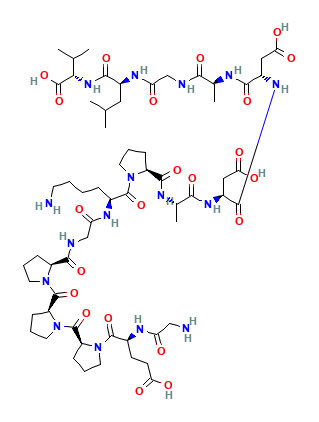
BPC-157
Pentadecapeptide
BPC-157 is an experimental 15-amino-acid peptide studied mainly in animal and in vitro models for gastrointestinal and connective-tissue healing. Human data remain limited to small pilot studies, and it is not FDA approved.
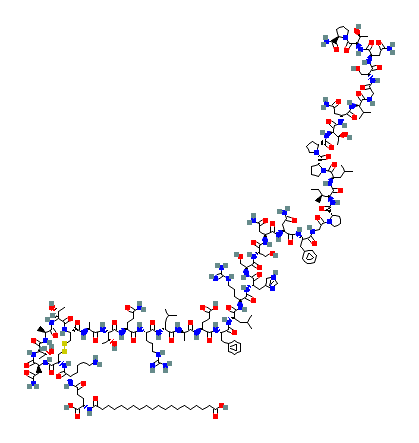
Cagrilintide
Amylin receptor agonist
Cagrilintide is an investigational long-acting amylin analogue with human clinical data in obesity and metabolic-disease studies. The biggest late-stage efficacy headlines often cited publicly are for the fixed-dose CagriSema combination with semaglutide rather than for standalone cagrilintide, and no FDA-approved cagrilintide or CagriSema product was identified in the reviewed openFDA approval database.
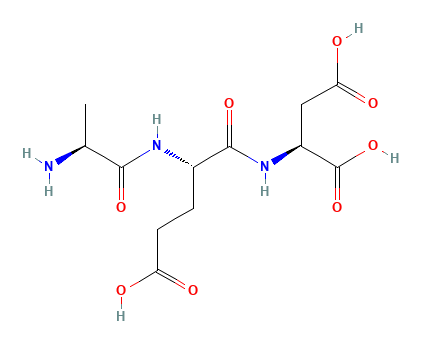
Cartalax
Cartilage & Connective Tissue Support
Cartalax is a Russian-marketed product built around the AED tripeptide (Ala-Glu-Asp), which PubChem lists as alanyl-glutamyl-aspartic acid. Indexed literature under that compound name is mainly cell-aging, fibroblast, and kidney research rather than robust human cartilage trials, and no FDA-approved Cartalax product was identified.
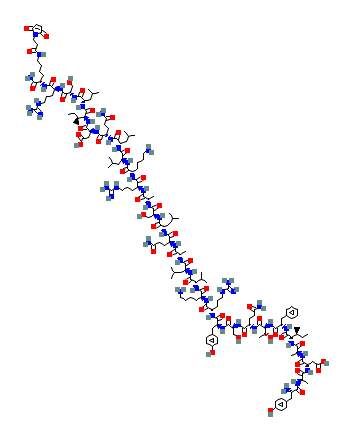
CJC-1295 (without DAC)
GHRH analog (Mod GRF 1-29)
CJC-1295 without DAC is the short-acting, marketed Mod GRF 1-29 form of a GHRH analogue. In the reviewed source set, the best-known human CJC-1295 papers are long-acting analog studies, while exact no-DAC identity and protocol claims are often conflated with DAC literature or gray-market guidance.
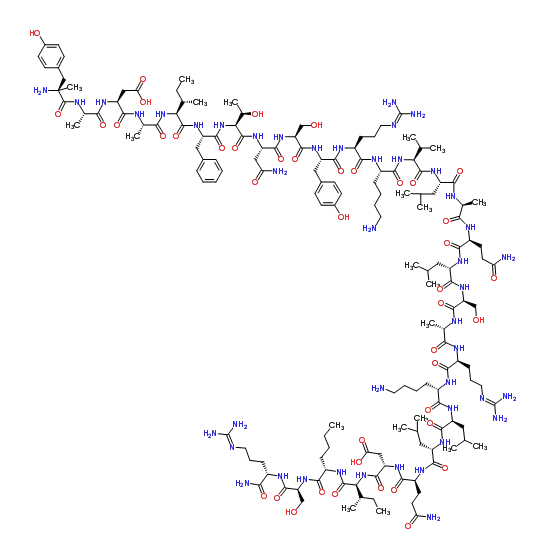
CJC-1295 with DAC
GHRH analog with DAC
CJC-1295 DAC is a long-acting GHRH analogue in which CJC-1295 has a maleimidopropionamide-lysine Drug Affinity Complex added to prolong albumin binding and exposure. It is not FDA approved, is prohibited by WADA, and published human data are limited to short healthy-adult studies showing sustained GH and IGF-I increases rather than proof of benefit for growth hormone deficiency or body composition.
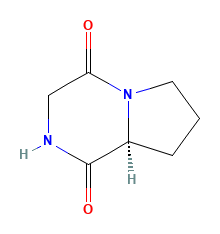
Cyclic Glycine-Proline
Cyclic dipeptide (2,5-diketopiperazine)
Cyclic glycine-proline (cGP) is an endogenous cyclic dipeptide and IGF-1 metabolite studied as a regulator of IGF-1 bioavailability via IGFBP-3 interaction. The reviewed evidence is real but narrower than supplement-style copy often suggests: strong mechanistic and animal literature, plus limited human biomarker and nutrition-intervention papers, but no FDA-approved cGP therapeutic product or validated purified-cGP dosing protocol.
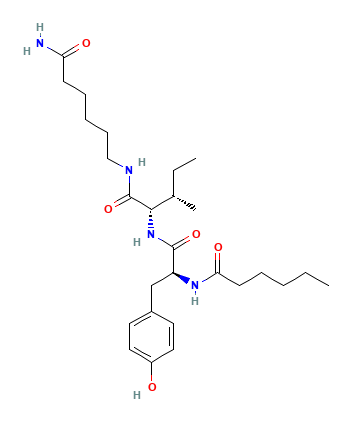
Dihexa
Oligopeptide
Dihexa is a synthetic angiotensin-IV-derived peptidomimetic studied in preclinical cognition and neurodegeneration models. There is no FDA-approved Dihexa product or direct human clinical trial program in the reviewed source set, and key older Dihexa papers now carry an expression of concern or retraction, so strong potency, oral-bioavailability, and mechanism claims should be treated cautiously.